

Alpha Synuclein and Parkinson’s Disease
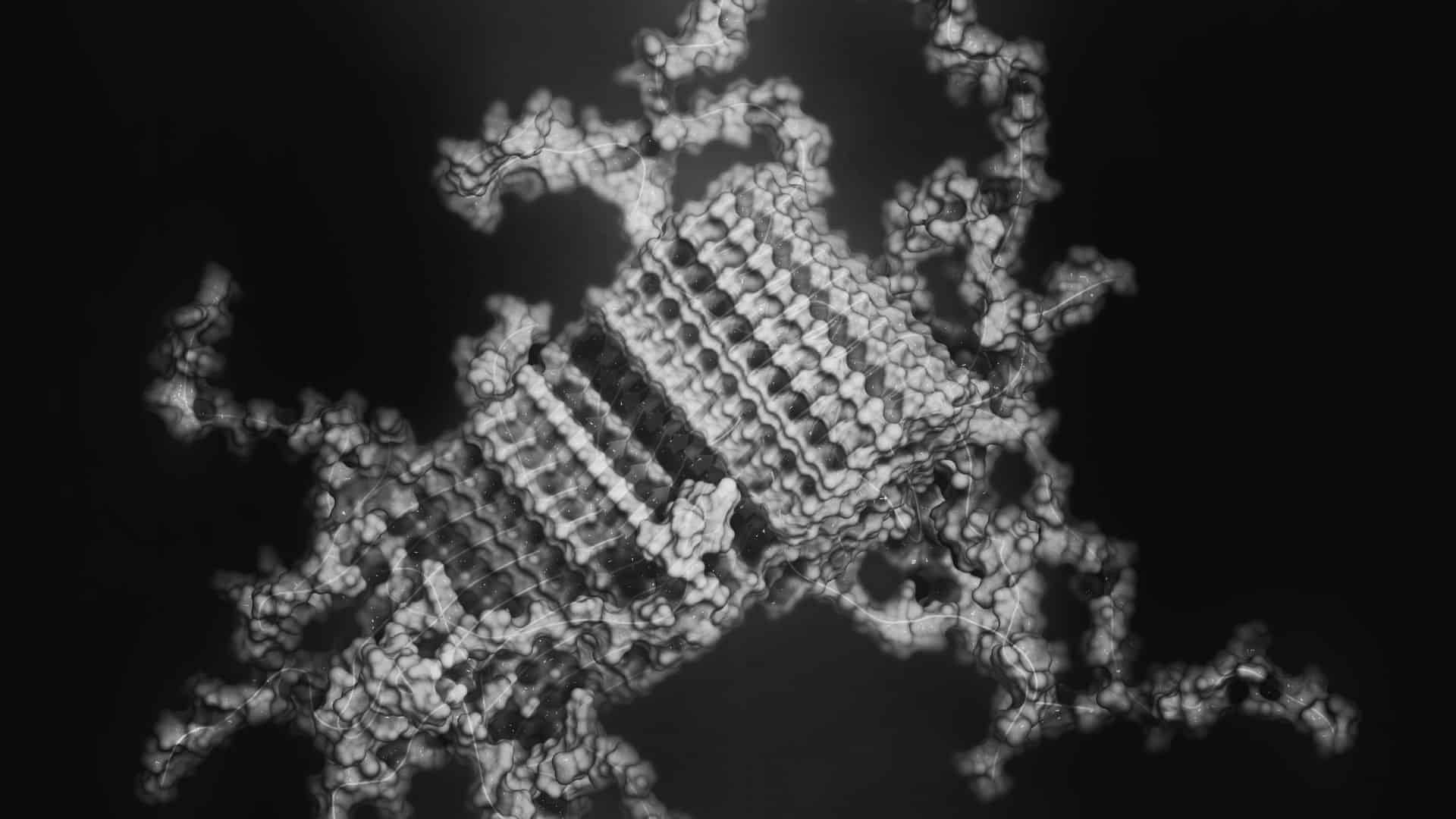
It is now understood that Parkinson’s is more than just a disease of dopamine deficiency. At the heart of the condition lies a protein called alpha-synuclein, which plays a central role in both the origin and progression of the disease.
Normally, alpha-synuclein is involved in helping nerve cells function and communicate – particularly in the parts of the brain responsible for motor control. However, in those with Parkinson’s, this protein begins to “misfold” and accumulate abnormally inside neurons, forming toxic aggregates known as Lewy bodies. These toxic aggregates disrupt cellular processes, damage brain tissue, and ultimately lead to the loss of dopamine-producing neurons in a key brain region responsible for initiating movement.
Emerging research suggests that misfolded alpha-synuclein behaves similar to prion diseases. Essentially, it can spread from cell to cell, and when it does, causes normal alpha-synuclein in neighboring neurons to misfold as well. This may help explain how Parkinson’s progresses gradually through the brain over time.
Interestingly, some studies have shown that this pathological process might begin outside the brain – possibly in the gastrointestinal tract or the olfactory system – and reach the central nervous system via long nerve pathways such. This insight is shaping a new understanding of Parkinson’s as a multi-system disorder, one that could begin years before motor symptoms appear.
Diagnosing Parkinson’s disease has traditionally relied on clinical signs and symptoms, often after significant loss of neurons has already occurred. However, recent advances have made it possible to detect abnormal alpha-synuclein in body fluids and tissues.
Techniques like real-time quaking-induced conversion (RT-QuIC) can identify tiny amounts of misfolded protein in spinal fluid, saliva, and even gut biopsies, opening the door for diagnosis that is both earlier and more accurate. These approaches are currently being validated in research settings and show great promise as future clinical tools.
Additionally, several therapeutic strategies are being developed to slow or halt Parkinson’s by preventing the formation of toxic aggregates, reducing the production of alpha-synuclein, or enhancing its clearance from the brain. For instance, immunotherapy approaches using monoclonal antibodies are being tested in clinical trials to neutralize extracellular alpha-synuclein and block its spread. At the genetic level, therapies that silence the SNCA gene (which encodes the alpha-synuclein protein) are under investigation as well. These experimental treatments represent a major shift toward disease-modifying approaches, rather than simply managing symptoms.
As our understanding of alpha-synuclein deepens, so too does our ability to diagnose Parkinson’s earlier and intervene more effectively. The future of Parkinson’s care may soon involve screening for alpha-synuclein pathology in at-risk individuals well before symptoms begin. While targeting this protein is not the only key to understanding the disease, it may be the most promising path toward changing its course and improving outcomes for millions affected worldwide.